
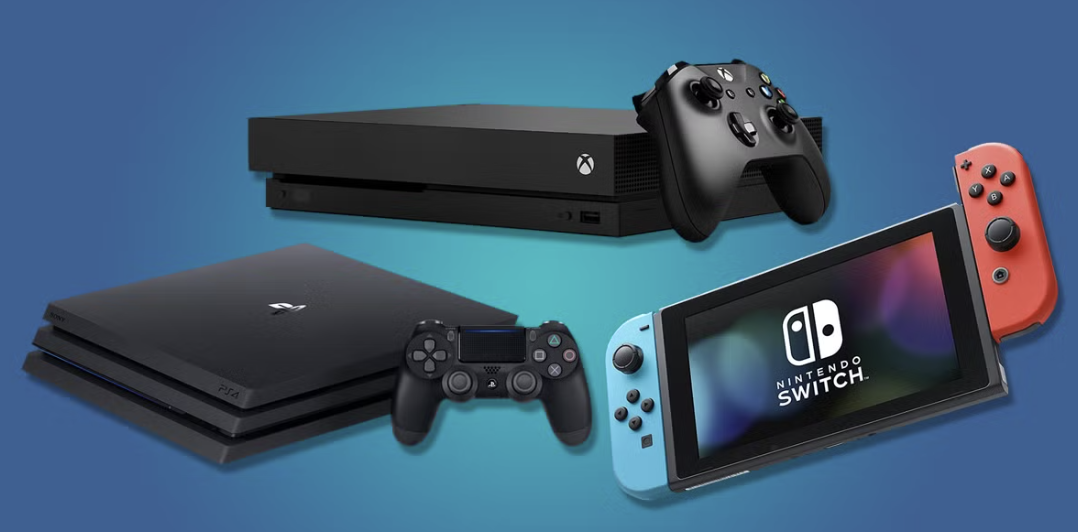
Nintendo Switch
Pros/Cons
- Hybrid Design For Versatile Gaming (docked, handheld, and tabletop)
- Exclusive Game Titles (Mario, Zelda, Pokémon, Animal Crossing, and etc.)
- Regular Software Updates And Support
- Affordable Compared To Other Consoles
- Intuitive And User-Friendly Design
- Limited Hardware Power (processing power and graphical capabilities are designed to prioritize portability and energy efficiency)
- Small Storage Capacity(Switch-32GB OLED-64GB Switch2-256 GB)
- Fragile Build Quality
- Short Battery Life in Portable Mode
- Expensive Accessories
- Limited Online Functionality
- No Backward Compatibility for Older Nintendo Games
- Limited Third-Party Game Support
Xbox Series X
Pros/Cons
- Superior Hardware Performance (high frame rates, ensuring smooth gameplay and minimal load times.)
- Game Pass Access (vast library of games for a monthly subscription fee)
- Quick Resume Feature (suspend multiple games and switch between them almost instantly, enhancing the gaming experience by reducing downtime)
- Limited Exclusive Titles (Compared to other platforms the Xbox Series X has fewer exclusive games)
- Storage Limitations (internal SSD can fill up quickly due to the large file sizes of modern games. While expandable storage options exist, they can be pricey)
- Noise Levels (console can produce noticeable fan noise during intense gaming sessions, which may be distracting in quieter environments)
- Bulky Design (Large and Boxy design)
- No Significant Upgrades Since Launch
PlayStation 5
Pros/Cons
- Outstanding Graphics and Performance (4K graphics and frame rates up to 120 fps)
- Revolutionary DualSense Controller (haptic feedback and adaptive triggers)
- Fast Load Times
- Backward Compatibility (supports a wide range of PS4 titles)
- Expanding Game Library (growing library of exclusive titles and high-quality games)
- Large Physical Size
- Limited Storage Space
- Higher Price Point
- Battery life of DualSense Controllers
- Dust Accumalation (regular cleaning to maintain optimal performance)
PC
Pros/Cons
- Better Graphics and performance (High-end gaming PCs can run games at higher resolutions and frame rates, providing a more immersive and visually stunning experience compared to consoles)
- Customization Options (choose and upgrade individual components such as graphics cards, processors, and storage, allowing for a tailored gaming experience that can evolve over time)
- Wider Game Library (access to a larger selection of games, backward compatibility allows players to enjoy older titles that may not be available on newer consoles)
- Cost-effective in the long run (While the initial investment may be high, the ability to upgrade components can make it more economical over time compared to the need to buy new consoles every generation)
- More Control (more control over game settings, allowing players to adjust graphics and performance to suit their preferences)
- Higher Upfront Cost (significantly more expensive than purchasing a console)
- Technical knowledge required (often requires a certain level of technical expertise to troubleshoot issues, optimize settings, and perform upgrades)
- Compatibility Issues (Not all games are optimized for every PC configuration, which can lead to performance issues or the inability to run certain games)
- Potential For Hardware Failure (Unlike consoles, which are standardized, PCs can experience hardware failures that may require repairs or replacements)
- Security Risk (more susceptible to malware and hacking attempts, requiring users to be vigilant about security measures)
Mobile
Pros/Cons
- Convenience
- Affordability (Many mobile games are free-to-play or cost only a few dollars, making them accessible to a broader audience)
- Better Graphics (Mobile games often feature improved visuals and immersive worlds compared to console games.)
- Social Features (Mobile games frequently include social elements, allowing players to connect with others and build communities.)
- Battery Drain (Gaming on a mobile device can quickly deplete the battery, requiring players to stop playing to conserve power.)
- Connection Issues (Mobile gaming often requires an internet connection, which can be unreliable in certain areas.)
- Addiction Potential (The reward loops and constant notifications in mobile games can lead to addiction, especially if players are not careful.)
- In-App Purchases (Many mobile games contain microtransactions, which can add up quickly and require careful consideration.)